One of the most common questions asked about abuse is, “Why didn’t they just leave?” The reality is often far more complicated than it appears from the outside.
The reality is that leaving an abusive relationship is often far more complicated than it appears from the outside. Abuse frequently involves a combination of emotional attachment, fear, manipulation, financial concerns, family obligations, and safety risks that can make leaving incredibly difficult.
Common Reasons
The Complex Reality of Staying
Love and Emotional Attachment
Many survivors genuinely love their partner. They remember the good times, the promises, and the person they believed their partner could be. They often hold onto hope that the relationship will improve and that the person they fell in love with will return.
Trauma Bonding
Cycles of affection, apologies, reconciliation, and mistreatment can create a powerful emotional attachment. These repeated highs and lows often make it difficult to leave, even when the relationship becomes harmful.
Fear and Safety Concerns
Many survivors fear retaliation, threats, stalking, harassment, or violence if they leave. For some, leaving may feel more dangerous than staying.
Financial Dependence
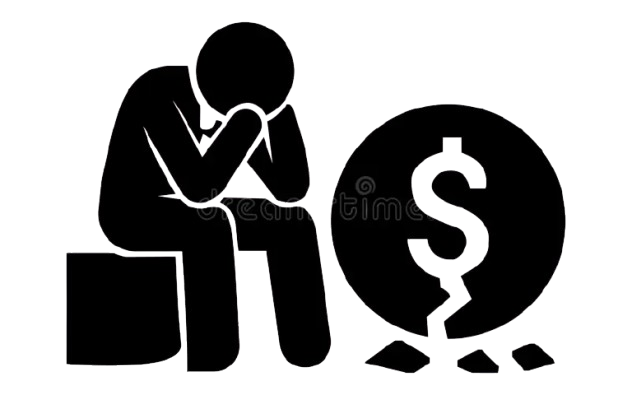
Limited access to money, housing, transportation, employment, or shared resources can create significant barriers to leaving. Financial abuse and dependence are common challenges in abusive relationships.
Hope for Change
Many survivors stay because they believe things can get better. Promises to change, seek help, stop harmful behaviors, or work on the relationship can make it difficult to walk away.
Manipulation and Self-Doubt
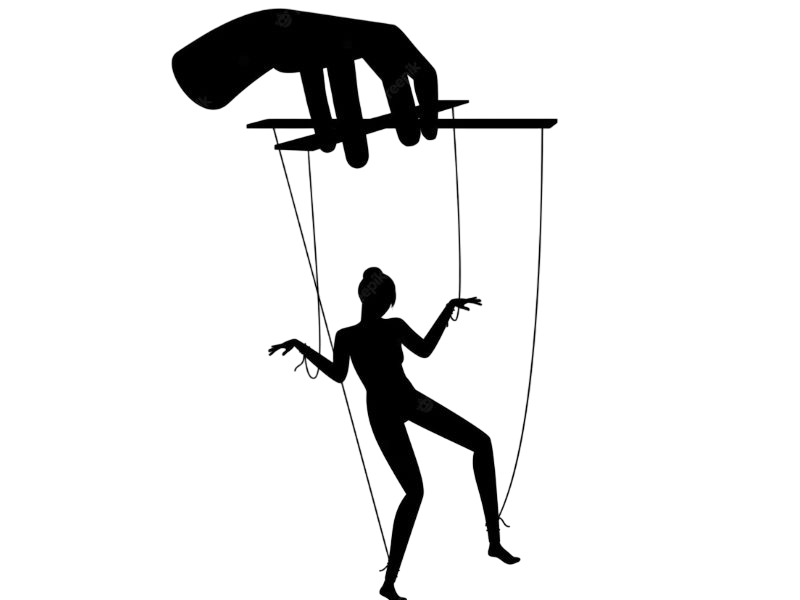
Gaslighting, blame-shifting, and other forms of emotional abuse can cause survivors to question their own judgment and reality. Over time, confidence in one's own decisions may be diminished.
Isolation
Abusive relationships often involve distancing a person from friends, family, coworkers, or support systems. Without a strong support network, leaving can feel overwhelming.
Children and Family
Many survivors remain in relationships because they want to protect their children, preserve their family unit, or avoid custody disputes and family conflict.
Shame and Embarrassment
Fear of being judged, misunderstood, or blamed can prevent someone from seeking help or discussing what they are experiencing.
Loss of Confidence
Years of criticism, control, intimidation, or emotional abuse can erode self-esteem and create the belief that independence is impossible.
The Truth
The Truth About Staying
People do not stay in abusive relationships because they are weak.
Many stay because they are navigating a complex situation involving love, fear, hope, attachment, practical realities, and concerns for their safety.
A Critical Reminder
Leaving is often one of the most dangerous periods in an abusive relationship, which is why safety planning and professional support are so important.
If you’re thinking about leaving, see our Leaving Safely guide for a step-by-step safety plan.