
Abuse is not always physical. Understanding common tactics and relationship dynamics can help individuals recognize unhealthy patterns, establish boundaries, and seek appropriate support when needed.
Abuse is not always physical. It can involve patterns of manipulation, control, intimidation, emotional harm, or behaviors that gradually erode a person’s confidence, independence, and sense of safety.
Understanding common tactics and relationship dynamics can help individuals recognize unhealthy patterns, establish boundaries, and seek appropriate support when needed.

Using words to insult, shame, belittle, threaten, humiliate, or control another person.
A pattern of behavior that harms a person's emotional well-being, self-esteem, confidence, or sense of security.
Behavior intended to create confusion, fear, dependency, self-doubt, or a loss of trust in one's own judgment.
Controlling access to money, employment, financial resources, accounts, or financial decision-making in order to create dependency or limit independence.
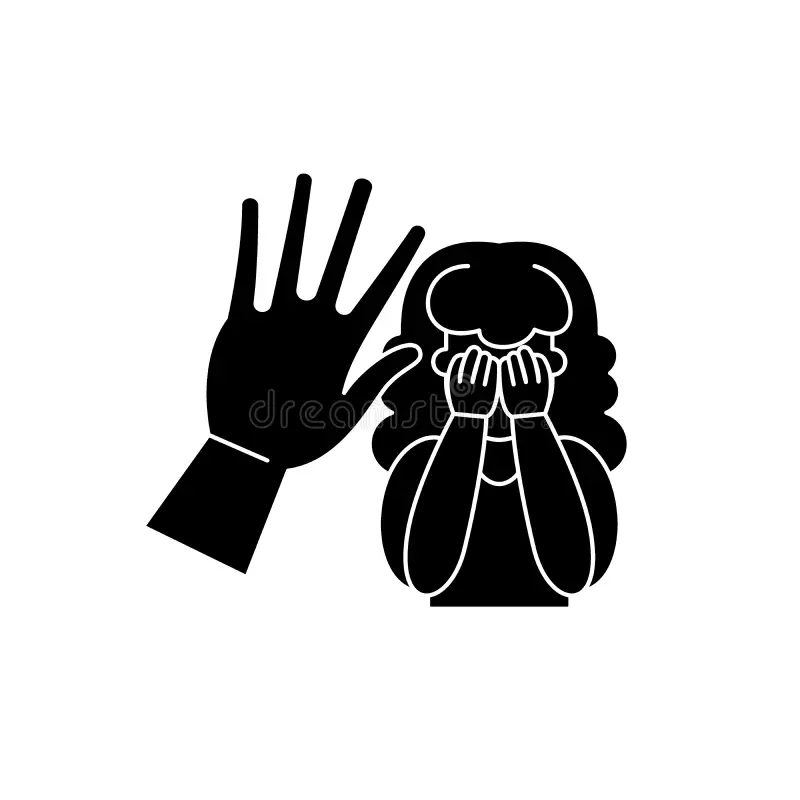
The use of physical force to intimidate, control, injure, or harm another person. Can include pushing, grabbing, restraining, shoving, slapping, punching, kicking, choking, blocking exits, throwing objects, or other unwanted physical contact.
Many survivors report that physical violence was not the first warning sign in their relationship. Emotional abuse, manipulation, intimidation, excessive jealousy, coercive control, isolation, and boundary violations often occur long before physical violence begins.
Physical abuse can escalate — abusive behavior may become more severe, frequent, or dangerous over time, and should always be taken seriously.
Physical abuse can be life-threatening — it can cause serious injury, long-term trauma, permanent disability, and in some cases, death. Strangulation, choking, threats involving weapons, stalking, and escalating violence are significant safety concerns.
If you believe you are in immediate danger, contact emergency services or seek assistance from a domestic violence advocate or local support organization.
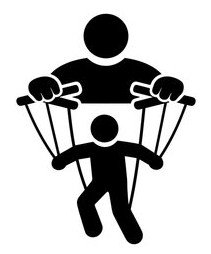
A pattern of behaviors designed to dominate another person's choices, freedom, independence, or daily life.
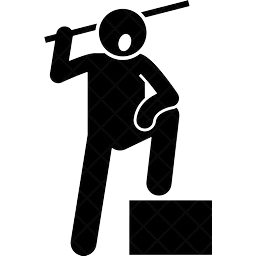
Using fear, anger, threats, aggressive behavior, or implied consequences to influence another person's actions.
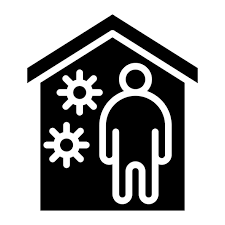
Limiting or discouraging contact with friends, family, coworkers, or support systems.

Excessively tracking communications, social media activity, location, or personal interactions.

Using fear of consequences to pressure someone into making decisions or complying with demands.

Ignoring, dismissing, or repeatedly crossing clearly communicated limits or personal boundaries.

A pattern of behavior intended to influence, restrict, dominate, or dictate another person's thoughts, decisions, actions, or independence.
A form of psychological manipulation that causes a person to question their memory, perception, judgment, or reality.
Attributing one's own thoughts, feelings, behaviors, or motives to another person.
Redirecting attention away from one's own actions, behaviors, or accountability.
Avoiding responsibility by placing fault on another person.
Downplaying harmful behavior or dismissing its impact.
Ignoring, dismissing, or belittling another person's feelings, experiences, or concerns.
Using guilt, shame, or obligation to influence another person's behavior.
Using fear, guilt, pressure, threats, or manipulation to control another person's choices
A response pattern in which a person:
• Denies wrongdoing
• Attacks the accuser
• Reverses the roles of Victim and Offender
Involving a third person in a conflict or relationship dynamic to create jealousy, competition, confusion, pressure, or division.
Spreading negative, misleading, or exaggerated information about someone to damage their reputation, isolate them, or gain support from others.
Efforts to maintain a favorable public image while minimizing, denying, or concealing behaviors that could damage reputation or credibility.
Punishing someone for setting boundaries, speaking up, seeking help, leaving a relationship, or asserting independence.
Overwhelming someone with excessive attention, affection, praise, gifts, or promises, often early in a relationship.
A strong emotional attachment formed through repeated cycles of affection, mistreatment, and reconciliation.
Alternating between kindness and mistreatment, creating emotional dependency and uncertainty.
Repeatedly drawing someone close and then pushing them away, creating instability and confusion.
Attempts to reestablish contact or pull someone back into a relationship after separation.
Withdrawing communication or affection as a means of punishment, control, or manipulation.
Refusing to communicate, engage, or address concerns in a way that shuts down productive discussion.
A sudden withdrawal of affection, communication, or commitment that leaves the other person feeling rejected or abandoned.
A threatened or temporary breakup that is later reversed, often creating confusion, insecurity, or pressure within the relationship.
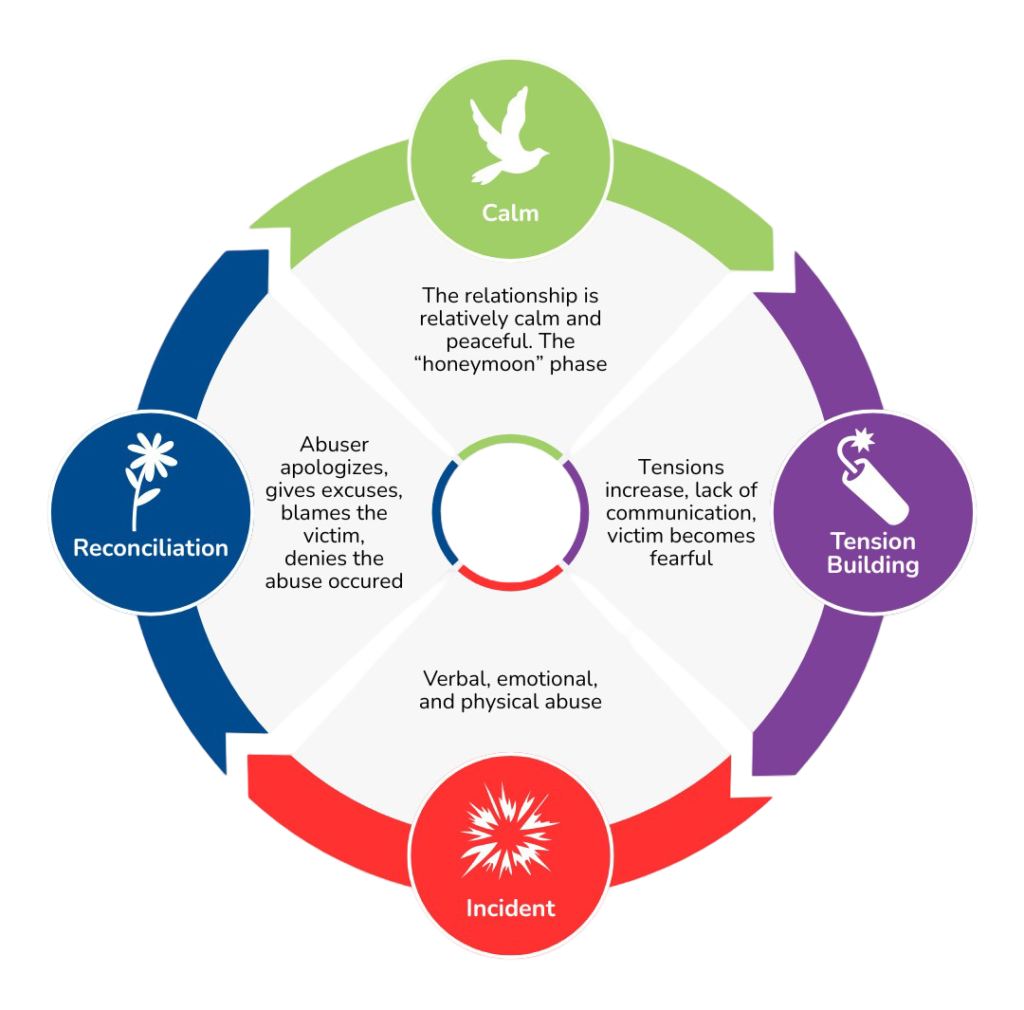
Many unhealthy relationships follow a repeating cycle:
Feeling the need to constantly monitor words or actions to avoid criticism, conflict, or anger.

Remaining in a heightened state of alertness due to unpredictability or fear.

Gradually losing confidence, self-worth, or belief in oneself.

Questioning one's own judgment, perceptions, or decisions.

Feeling powerless after repeated experiences where attempts to improve the situation appear unsuccessful.
Worrying about potential consequences for speaking up, setting boundaries, or leaving.
Feeling mentally, emotionally, and physically drained.

Focusing primarily on day-to-day coping rather than long-term well-being.
While every situation is different, survivors frequently report hearing statements such as:
Healthy relationships are built on mutual respect, trust, communication, accountability, and emotional safety.
Many abusive partners do not start with obvious abuse. They often begin with charm, intense affection, and a feeling of deep connection. Over time, unhealthy patterns emerge.
If you find yourself constantly making excuses for someone’s behavior, walking on eggshells, losing confidence, or feeling responsible for managing their emotions, something unhealthy may be happening.
Abuse is not always bruises and broken bones. Sometimes it looks like confusion, fear, self-doubt, isolation, intimidation, coercion, and losing yourself while trying to keep the peace.
If you are concerned about your safety or believe you may be experiencing abuse, consider reaching out to: